There is a moment after a crash when the air feels dense and strangely quiet. The glass may still be tinkling to the asphalt, a horn may be droning, but you register something else: the sense that every move you make from here on matters. I have sat with clients at kitchen tables and hospital beds while they replay that moment. Some waited to call an accident lawyer out of politeness or optimism. Others made the call from the shoulder of the highway. The difference often shows up months later, neatly itemized in claim denials and missing records, or in a settlement that covers not just the emergency room, but the months of physical therapy and time off work that followed.
People ask for a bright line. There is not one. There is, however, a set of inflection points where talking with a car accident lawyer early does not just help, it protects the evidence, the claim, and the person. The art lies in distinguishing genuine urgency from the ordinary mess of a fender-bender.
First, the ground truth
Insurance companies are not public utilities. They are profit-driven and they manage risk by minimizing payouts. That does not make them villains. It does make them disciplined. Claims adjusters are trained to collect statements, identify coverage defenses, and settle quickly when it serves the company. Timelines matter. Most states have a statute of limitations for personal injury claims ranging from one year to three years, sometimes longer for property damage. Some claims against government entities have notice deadlines measured in weeks, not years. Evidence decays at its own pace. Surveillance footage is overwritten in a few days. Skid marks fade within weeks. Witnesses change numbers and vanish.
In a serious car accident, legal rights are not just academic. They translate into whether your health insurer gets reimbursed, whether the other driver’s policy limits are enough, and whether your own uninsured or underinsured motorist coverage steps in. The question is not only whether to call, but when, so that these moving parts align with your best interests.
When a quick courtesy call is not enough
The instinct after a collision is to be agreeable. You exchange insurance information. An adjuster calls with a warm tone and promises to “get this wrapped up.” That works in minor property-only incidents where no one is hurt and the facts are crystal clear. The trouble is that injuries misbehave. A car accident injury often hides beneath adrenaline. You feel stiff for a day, then your lower back seizes on day three. The ER ruled out fractures, but the MRI a month later finds a disc bulge. Suddenly the hundred-dollar urgent care visit has grown into a course of physical therapy, missed shifts, and pain that follows you up the stairs.
The time to call an injury lawyer is shortly after medical evaluation, once you understand that your symptoms are more than transient soreness. You do not need to wait for a formal diagnosis to ask for guidance. An experienced accident lawyer will tell you whether it makes sense to hold off on giving a recorded statement, how to handle property damage without harming the bodily injury claim, and how to document the early days so the record does not go quiet and then spring to life later, which insurers love to exploit.
Clues that you should call today, not next week
There are patterns I have learned to treat as red flags. If any of these happen, silence the impulse to be self-sufficient and call a car accident lawyer the same day.
1) Fault is contested or unclear. Two drivers claim a green light. A police report notes conflicting statements. There is talk of a phantom third car. When liability wobbles, evidence decides it, and evidence goes stale fast. Your lawyer can move for traffic cam footage, canvass nearby businesses for video, track down witnesses while their memory is fresh, and sometimes arrange an accident reconstruction. Waiting even a week can erase your best proof.
2) You feel symptoms beyond surface bruises. Headaches, nausea, numbness, neck stiffness, shooting pain down a leg, shoulder tightness that wakes you at night, these deserve a call. Many clients apologize for “bothering” a lawyer before a specialist weighs in. Do not apologize. The timing of care, the words in your medical records, and the choice of provider can shape your claim. A short conversation can save three months of backtracking.
3) A commercial vehicle is involved. Delivery vans, eighteen-wheelers, utility trucks, ride-share vehicles, even municipal buses, bring different rules and deeper pockets. They also arrive with corporate risk teams who move quickly. Trucking companies often send investigators to the scene within hours. Data from the vehicle’s electronic control module, dispatch logs, and driver qualification files can vanish if not preserved with Truck Accident Lawyer a proper spoliation letter. If your car accident involved a commercial driver, calling a lawyer right away is not a luxury, it is table stakes.
4) The other driver is uninsured or underinsured. If your medical bills or lost wages have already crossed a few thousand dollars, and the at-fault driver carries state-minimum coverage, the math tightens. Your own policy might include uninsured/underinsured motorist coverage. The catch is that your insurer now occupies the other side of the table. They switch hats from your customer-service voice to a claims defense posture. Getting a lawyer early helps you coordinate both claims without sabotaging either.
5) You are asked to give a recorded statement or sign medical releases. Adjusters often ask for a blanket medical authorization “to speed things up.” The broad ones grant access to years of medical history and allow cherry-picking unrelated issues to diminish your injury. A measured approach is to produce records that actually relate to the car accident injury while protecting the rest. A lawyer can tailor releases and manage the flow without appearing obstructive.
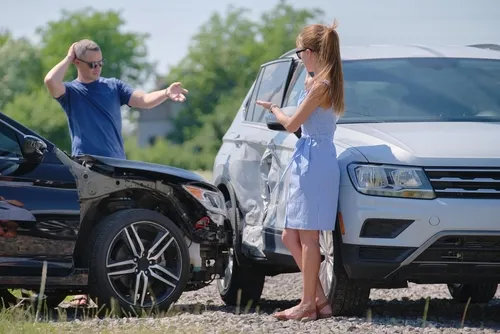
How early representation shapes the evidence
A strong claim is, at heart, a carefully told story supported by proof. The other driver ran a red light, you braked and swerved, the impact spun you clockwise, the airbag deployed, you exited on the passenger side because your door jammed, you felt fine that night, then woke at 3 a.m. with a burning ache from shoulder to wrist. The more precise the story, the less room there is for a hollow narrative to fill the gaps. Early involvement by an accident lawyer often improves four categories of proof.
Medical records. Doctors write for doctors, not for juries. Short entries like “neck pain, rule out radiculopathy, follow up 2 weeks” are common. Lawyers help you understand why consistency matters. If your pain is an eight out of ten on bad days and a three on good days, say so at each visit. If pain interrupts sleep or limits sitting, mention it. Do not inflate. Just be exact every time. Precision in the first month often drives the tone of the entire record.
Nonmedical damages. Lost wages rarely equal your hourly rate times hours missed. Add overtime lost, the shift differential, missed bonuses, and the fact you burned through paid time off. Self-employed clients need a paper trail of declined jobs and diminished billings. A lawyer can help you gather the right invoices, 1099s, calendar entries, and client emails so the picture holds up.
Physical evidence. Vehicles get repaired or totaled. Before they do, high-resolution photographs of crush zones, undercarriage damage, airbag deployment, seat position, child seat installation, and cargo are gold. A professional inspection can reveal seatbelt marks and steering column deformation that connect mechanism of injury to symptoms. When a lawyer is looped in early, those details get captured while the car is still in the lot.
Witnesses and scene data. Independent witnesses move and forget. A call or affidavit within days keeps their observations crisp. Cameras on nearby storefronts auto-delete. Traffic signal timing tables can be obtained, but only if requested. Skid measurements and debris fields tell a story that a clean roadway cannot. Early attorney action aims to freeze this picture before it blurs.
The polite myth of waiting for the insurer
Many intelligent, capable people decide to wait. They want to see what the insurance company will do. They do not want to be “the type” who hires a lawyer over a car accident. I understand the instinct. There is a cost to legal representation, usually a contingency fee between one third and forty percent of the recovery, though the numbers vary by jurisdiction and case posture. The calculus should focus on net outcome and risk. In modest soft-tissue cases where liability is clear, some clients secure a fair result on their own. In contested or medically complex cases, the early months without counsel can create holes you cannot patch with a great demand letter a year later.
Here is a common pattern. An adjuster calls within forty-eight hours and offers to cover the emergency room bill and a few hundred dollars for “inconvenience,” provided you sign a release. You accept because it seems decent and you are eager to move on. Three weeks later the pain spreads, you need a course of therapy, and the release you signed closes the door. No lawyer can pry it back open. I have yet to meet a client who considered that small early offer a good trade once the real picture emerged.
Property damage and bodily injury march to different drums
Many people conflate the two. They want the car fixed immediately, which is reasonable, and they think hiring an injury lawyer will slow that down. Done properly, it should not. Property damage is often handled separately. In many cases, a lawyer will encourage you to resolve the vehicle repair or total loss value quickly, using either the at-fault carrier or your own collision coverage. The bodily injury claim can proceed on its own timeline, paced to your medical treatment. The key is to avoid signing global releases or admitting facts about injury when talking about the car. Small distinctions in language matter.
If the adjuster asks how you are doing while discussing the repair estimate, keep it factual and brief. You are receiving medical care, still evaluating injuries, and will provide an update through appropriate channels. Friendly chatter has a way of showing up in claim notes as “claimant reports feeling fine,” which later becomes a cudgel.
Special rules when minors, elders, or preexisting conditions are involved
Representing children requires sensitivity and paperwork. Courts often need to approve settlements for minors. Medical providers sometimes miscode or underdocument pediatric complaints because children cannot describe pain with adult precision. Early lawyer involvement helps guide parents on how to document symptoms and routines. A child who stops running at recess or wakes at night with leg pain may not have the vocabulary for it, but the change is real.
Elder clients bring different challenges. A fall risk after a car accident can lead to secondary injuries at home, which still relate to the original event. Insurers may point to degenerative changes on imaging as if they were symptoms. A good injury lawyer does not run from preexisting conditions. They use the eggshell skull rule where applicable, and they make doctors parse out aggravation versus baseline. That nuance lives or dies on early, careful charting.
Speaking about money without awkwardness
Clients often whisper when they ask about fees, as if discussing compensation soils the process. It does not. A reputable car accident lawyer will explain the fee structure in plain terms. Most work on contingency, advancing case costs and taking a percentage of the recovery. If there is no recovery, you owe no fee. Some firms reduce their percentage if a case resolves before litigation, others keep one rate throughout. Ask. You deserve clarity.
On the other side of the ledger sits subrogation and liens. Health insurers, Medicare, Medicaid, and workers’ compensation carriers may assert rights to reimbursements from your settlement. Providers may file liens. A skilled injury lawyer treats lien resolution as part of the work, not an afterthought. I have seen liens reduced by fifty percent or more with the right combination of statutes, plan language, and persistent negotiation. That reduction drops straight to your net.
How to choose the right advocate
Not all accident lawyers approach a case the same way. Some firms run high volume and settle quickly. Others litigate aggressively. Neither is inherently superior. The right fit depends on your goals, risk tolerance, and the case profile. Interview more than one lawyer if you can. Pay attention to how they listen and how they explain. They should not promise a dollar amount at the first meeting. They should be comfortable discussing weaknesses as well as strengths. Ask who will work your file. Ask how often you will hear from them. Review the fee agreement slowly and ask for examples of past case outcomes within a range, not cherry-picked trophies.
A brief, focused list can help you compare options without turning it into a spreadsheet exercise.
- Look for deep experience with your specific type of case, whether that is a rear-end collision with whiplash, a pedestrian strike, or a trucking crash with multiple parties. Check how the firm handles medical management, lien negotiations, and uninsured motorist claims, which often drive net outcomes more than headline settlements. Ask about communication cadence, so you know whether to expect monthly updates, milestone calls, or a portal you must check. Clarify who pays case costs if you decide to part ways before resolution, a small clause that spares later friction. Notice whether the lawyer teaches rather than sells. You want candor, not hype.
The quiet power of patience, and where it ends
The timeline of a car accident injury claim is elastic. Settlement before treatment concludes often undervalues future care. Settlement too late can collide with evidence decay or litigation deadlines. Good counsel calibrates the pace. skilled pedestrian accident lawyer Early in the claim, patience serves you. Give the body time to declare the true injury. Allow specialists to rule in or out. Document the arc. Once treatment stabilizes, a demand should go out with a coherent narrative supported by records, bills, wage documentation, and a careful damages model. If the response is unserious or the insurer drags its feet, patience ends and litigation begins.
I have filed suit at ninety days when a carrier telegraphed stonewalling, and I have waited a year before demanding when a client’s spinal symptoms defied easy categorization and the medical picture needed clarity. There is no one timetable. The wrong timetable is the one driven by the other side’s convenience or by your understandable desire to put the episode behind you without looking at the ledger.
Common fears, answered plainly
People worry they will appear litigious if they call a lawyer. Adjusters do not take offense. They adjust. In some cases, counsel on both sides communicate more efficiently than laypeople and adjusters because they speak a shared language and know the lanes. People worry about the cost. On contingency, the question becomes whether the lawyer can improve the gross recovery and the lien outcomes enough to increase your net. In serious injuries and contested liability, the answer is usually yes. People worry a lawyer will take over their life. A good one will take over the friction and leave you to heal, looping you in at sensible moments.
There is also the fear of making a mistake. It is valid. Common early mistakes include minimizing symptoms in early medical records, posting casually on social media about being “fine,” missing short deadlines for government claims, giving recorded statements without preparation, and treating sporadically so the records show gaps. A thirty-minute consult at the front end can help you avoid these traps. Most car accident lawyers offer those consultations free of charge.
A note on small accidents and self-advocacy
Not every car accident requires a lawyer. If liability is undisputed, the property damage is minor, you have no injury beyond brief soreness, and you have two or three medical visits at most, you might be comfortable handling the claim yourself. Keep it tidy. Get a copy of the police report. Photograph the cars. See a doctor within twenty-four to forty-eight hours if you feel pain. Track bills and out-of-pocket expenses. When the adjuster offers to settle, ask for a written summary of damages they are accounting for, not just a lump sum. If you sense the conversation veering into requests for past medical records or insinuations that your care was unnecessary, that is a sign to reassess and consider calling an injury lawyer.
What to do in the first 72 hours after a crash
The first three days set tone and trajectory. You do not need a binder or a script, just a little order. Start with safety, go to care, and then to preservation.
- Seek medical evaluation the same day if possible. Tell providers exactly what happened and where you hurt. If new symptoms appear in the next day or two, return and update the record. Photograph everything: vehicle angles, damage, license plates, the intersection, traffic lights, skid marks, your injuries, and any visible bruising over the next week. Notify your insurer promptly, but keep descriptions factual and brief. If you are hurt, say so and indicate you will provide more information once you understand the scope. Decline recorded statements to any insurer until you have either spoken with a lawyer or are comfortable with the facts and your symptoms have declared themselves. Call a car accident lawyer if any of the earlier red flags apply, or if you simply want a short strategy call to avoid unforced errors.
When litigation is the point, not the threat
Some cases never settle without a filing. T-bone collisions with disputed light timing, multiple-witness events with inconsistent accounts, crashes involving intoxication where criminal proceedings complicate admissions, and claims with catastrophic injuries often need the structure and subpoena power of a court. Filing suit is not a declaration of war, it is a way to compel answers and obtain records that negotiations cannot pry loose. A seasoned accident lawyer knows when to stop bargaining and start building. That choice early on frames the rest of the case.
The right time is earlier than your impulse
You do not have to be the person who calls a lawyer from the roadside. But do not wait weeks either. If you feel more than passing soreness, if the facts are murky, if a commercial vehicle is involved, if coverage is thin, or if anyone pressures you to sign or speak before you are ready, pick up the phone. An early call does not lock you into anything. You are not filing suit by asking questions. You are simply trading uncertainty for a plan.
I think often about a client who tried to keep things simple. Middle-age, careful driver, rear-ended at a light by a teenager in a borrowed sedan. He told the adjuster he was okay. He waited a week to see his doctor when his headaches started. By the time he called, the footage from a nearby storefront was gone. The police report had a small error about which lane he occupied. His MRI showed a small brain bleed that explained his sudden sensitivity to light and noise. We built the case, but parts were harder than they needed to be. Contrast that with a nurse I represented who called from urgent care. We preserved video from a gas station camera that captured the truck that drifted into her lane. The difference in leverage was night and day, and the settlement reflected it.
A car accident will jolt your calendar, your body, and your patience. It does not have to hijack your judgment. Take care of yourself first, then steady the claim before it runs away from you. In the quiet space after the crash, when you begin to count the costs and the what-ifs, that is the right time to make the call.